"When should I plan my 2026 trip?" Sakura blooms depend entirely on the weather, making timing difficult. In this guide, a pro blogger analyzes the 2026 data to give you exact dates. We help you skip the crowds and find the perfect peak for your visit.
ALSO CHECK
-

-
10 cheap and stylish hotels in Osaka 2026
(Source:Hotel androoms Osaka Hommachi>Guest rooms) Have you ever been to central city in western ...
続きを見る
1. 2026 Sakura Trends and Latest Forecast Data
1-1. Overall Nationwide Forecast
1-1-1. Relationship Between 2026 Spring Temperatures and Bloom Speed
Spring 2026 is characterized by a significant contrast between the lingering winter chills of late 2025 and a sharp rise in temperature starting in February. According to the latest meteorological data, cherry blossoms across Japan are expected to bloom "on schedule or slightly earlier" than average years.
For Eastern and Western Japan, record-breaking warmth is predicted from mid-March onwards, which will rapidly accelerate the growth of the buds. Because the "dormancy break" was successfully triggered by a cold winter in most regions, the subsequent rise in temperature will act as a catalyst for a vibrant and synchronized bloom across the country.
1-2. Regional Bloom and Full Bloom Schedules
1-2-1. Best Viewing Times for Major Cities (Tokyo, Osaka, Nagoya, Fukuoka)
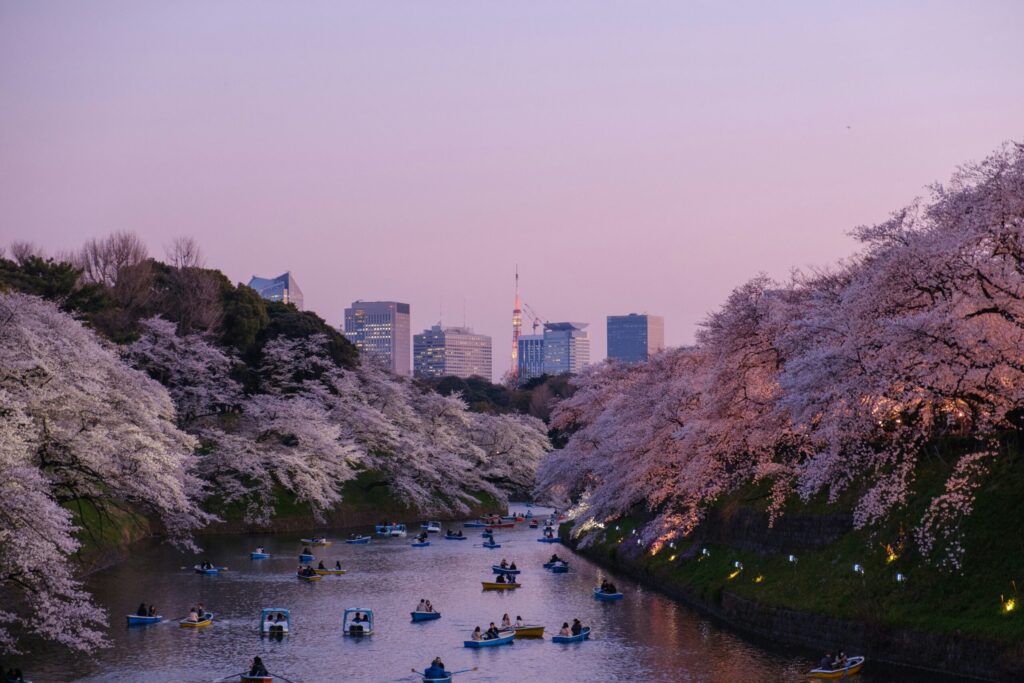
The predicted blooming dates for major cities are as follows: Fukuoka around March 18, Tokyo around March 20, and Nagoya and Osaka around March 22. Since full bloom usually occurs 7 to 10 days after the initial opening, Tokyo will likely hit its peak in late March.
The year 2026 is expected to see stable weather during the last weekend of March, which will lead to high attendance at major parks. Planning your trip early is essential to ensure you catch the peak "Mankai" (full bloom) status during this short-lived window of beauty.
2. Analysis of Meteorological Factors Affecting the 2026 Season
2-1. The Impact of Winter Cold on "Dormancy Break"
2-1-1. How the Boundary Between Warm and Severe Winter Changed the Buds
For cherry blossoms to bloom, they must first undergo a "dormancy break," which requires exposure to cold temperatures during winter. Between late 2025 and early 2026, Japan experienced several waves of intense cold, ensuring that the buds in most regions successfully broke their dormancy. This means the trees are now highly sensitive to the warmth of spring.
If the winter had been consistently warm, the blooming might have been delayed or uneven. However, the moderate temperature fluctuations of 2026 have set the stage for a spectacular and healthy blooming cycle.
2-2. March Precipitation and Flower Longevity Predictions
2-2-1. Impact of Spring Storms and Long Rains on the Falling Petals
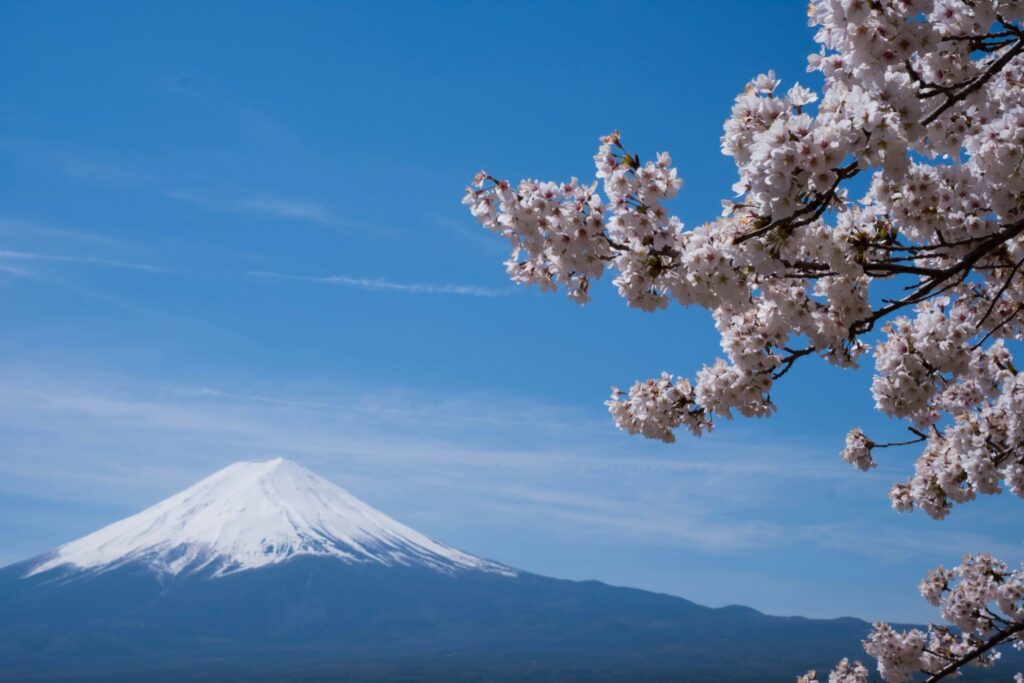
One of the biggest concerns for hanami (flower viewing) planning is the weather after the blooms open. The March 2026 forecast suggests many sunny days due to migratory high-pressure systems; however, low-pressure systems known as "Spring Storms" are expected to pass through every few days.
Particular caution is needed for the end of March, as rain and wind could coincide with the full bloom period. Since these storms can cause the petals to fall prematurely, keeping a close eye on weekly weather updates and being flexible with your schedule—perhaps viewing the "Sakurafubuki" (cherry blossom blizzard) slightly earlier—is the key to success this year.
3. Planning Your Hanami and Selecting the Best Spots
3-1. Strategies to Avoid Crowds
3-1-1. 2026 Edition: How to Find Hidden Gems
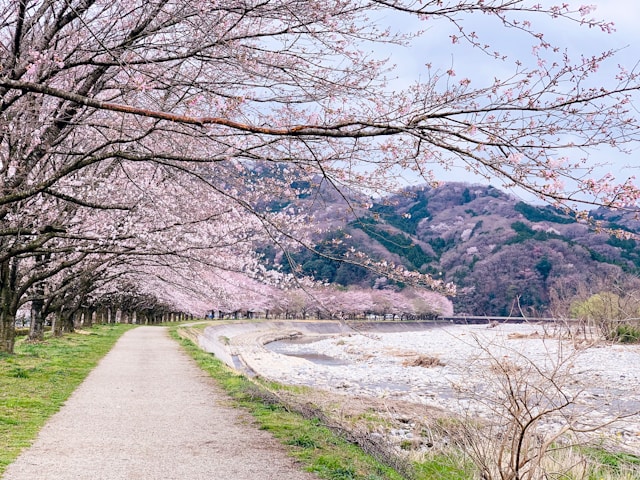
Famous spots are expected to be more crowded than ever in 2026. A pro strategy is to look for local parks at least 15 minutes away from major train stations or quiet rows of trees along residential rivers.
Utilizing real-time social media searches to find "less crowded spots right now" is also highly effective.
Furthermore, "Asa-zura" (morning sakura) between 7:00 AM and 9:00 AM is the most recommended time. The lighting is soft and beautiful, and the crowds are at their thinnest, allowing for a tranquil and luxurious experience with the flowers.
3-2. Photography Techniques and Essential Gear
3-2-1. Professional Tips for Smartphone Sakura Photos
To make the most of 2026 smartphone technology, leverage "Portrait Mode" to create a soft background blur that makes the blossoms pop. Use "framing compositions" by placing branches in the corners of your screen or shoot from a low angle against a clear blue sky for dramatic results.
Essential items include a portable cushion for comfort and a spare battery for your phone. If you are shooting at night, a small LED light can help illuminate faces for healthier-looking skin tones without the harshness of a traditional flash.
4. How to Check Real-Time Sakura Status
4-1. Utilizing Reliable Forecast Sites and Apps
4-1-1. Interpreting Data from JMA and Private Weather Agencies
When tracking sakura, the golden rule is to compare multiple sources like Weathernews, the Japan Weather Association (JWA), and the Japan Meteorological Agency (JMA).
In 2026, these agencies are using AI-driven high-precision models, but dates can still vary by a few days depending on the location. Coastal or high-altitude areas are prone to localized changes, so instead of relying on one site, look for the "average" of several predictions.
Additionally, many spots now feature live cameras, allowing you to visually confirm the state of the blooms from home before heading out.
5. Frequently Asked Questions (Q&A)
- Q1: Will the cherry blossoms fall earlier than usual in 2026?
- A1: Because temperatures are expected to rise sharply in late March 2026, the transition from first bloom to full bloom may be very fast. It is best to be ready to go the weekend immediately following the official blooming announcement to avoid missing the peak.
- Q2: I heard that some parks require reservations now. Is this true?
- A2: Yes, in 2026, an increasing number of famous parks are implementing pre-reservation systems for environmental protection and crowd control. Popular spots in central Tokyo can book up weeks in advance, so checking the official website early is mandatory.
- Q3: What is the trending "Hanami style" for 2026?
- A3: "Hands-free Hanami" is evolving. Services now offer delivery to specific pickup points near parks, and hotels provide "Picnic Sets." There is a strong emphasis on sustainability and taking trash home, which is the standard etiquette for 2026.
6. Summary
Key takeaways for the 2026 Sakura Forecast:
- Blooms are arriving early; March 20 is the target for Tokyo and Fukuoka.
- Full bloom is concentrated in the last week of March, so clear your schedule now.
- Avoid crowds by visiting early in the morning or using reservation-only spots.
Weather is volatile during spring, so keep checking the latest updates. Follow these points, and your 2026 Hanami will be a guaranteed success.